
Member In Focus
Innovative Medicines Canada - Member in Focus
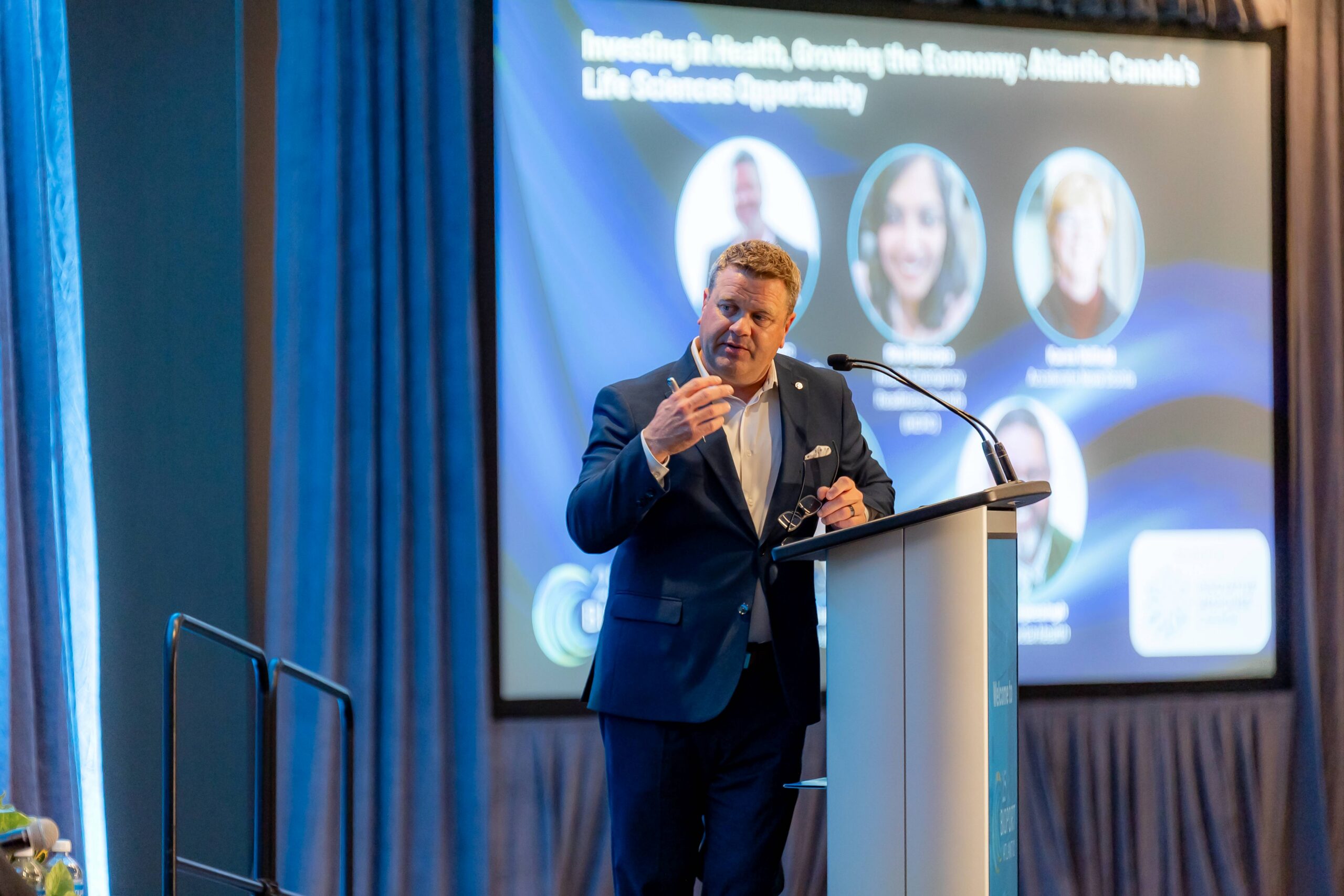
Research As Care: How Innovative Medicines Canada Brings New Treatments to Local Patients
When Kristian LeBlanc was mapping out the next chapter of his career, he knew what he wanted it to centre around.
After more than two decades working in life the sciences sector, he wanted a role where he could move beyond the impact of individual products and focus more directly on improving patients’ lives.
“In life sciences, it’s easy to get lost in the day-to-day workload,” says LeBlanc. “But when we step back and remember that everything we do is to improve the lives of Canadian patients, the work becomes deeply rewarding.”
Today, LeBlanc can make that impact as Senior Director of Government Relations, Atlantic with Innovative Medicines Canada (IMC), the national association representing research-based pharmaceutical companies. Based in Moncton, New Brunswick, his work takes him across Atlantic Canada and focuses on policy development to accelerate access to innovative medicines and vaccines to Canadian patients.
Representing A National Voice
For LeBlanc, this role offers a chance to shape the broader environment that determines how patients benefit from medical innovation and ultimately deliver better health outcomes for Atlantic Canadians.
On behalf of IMC’s members, he works with governments and healthcare leaders across the region on policies that welcome clinical research and attract future investment.
How Atlantic Canada Can Stand Out
While Atlantic Canada may not attract large pharmaceutical headquarters or manufacturing facilities, LeBlanc believes the region has a clear path forward when it comes to clinical research.
Clinical trials bring direct investment into local economies, while bringing timely access to cutting-edge treatments for patients.
That combination of economic impact and improved health outcomes can be a high-potential opportunity for Atlantic Canada’s smaller provinces.
Officials in Nova Scotia have made a concerted effort to increase the number of clinical trials happening in the province. In April 2026, the provincial government announced that Nova Scotians would now have the option to express interest in participating in medical research when renewing their health card, or by contacting MSI directly.
Challenges Ahead
This momentum comes at a time of significant change within the global pharmaceutical sector.
One of the largest uncertainties facing the industry is the United States’ Most Favoured Nation (MFN) pricing policy, which ties US drug prices to those paid in other countries. It could make companies more cautious about launching medicines or making future investment in Canada.
LeBlanc says Canada needs to respond proactively and reinforce its position as a destination for clinical trials investments and a favorable launch country for innovative medicines and vaccines.
A Culture of Collaboration
One part of his role LeBlanc enjoys most is bringing leaders together around shared goals and building on Atlantic Canada’s strengths.
He sees a strong culture of cooperation across the region, demonstrated at events like Life Sciences Nova Scotia’s annual BioPort Atlantic conference, sponsored by IMC, and other community events they host.
“I’m particularly excited about the partnerships and collaborations we’re building,” says LeBlanc. “Ultimately, these efforts will benefit patients and strengthen the entire healthcare ecosystem.”
That approach was front and centre in July 2026, when LeBlanc and IMC hosted their reception during the Council of the Federation meetings in Charlottetown, Prince Edward Island.
With more than 90 healthcare leaders, premiers, ministers, and industry representatives gathered together, it was an opportunity to show how Atlantic Canada could lead in addressing challenges facing patients and healthcare systems across the country.
The Impact of New Treatments
Reflecting on the most rewarding aspects of his role, LeBlanc emphasizes the difference innovative medicines can make in the lives of patients across Atlantic Canada.
He refers to the concept of ‘research as care.’ With every new trial in Atlantic Canada, local patients are given access to more treatment options and continue receiving cutting-edge medicines even when the trial is complete.
What does that potentially mean? More time, more milestones and more moments with the people who matter most.
“It could mean someone having the opportunity to meet their first grandchild or a father being able to walk his daughter down the aisle on her wedding day,” says LeBlanc. “Knowing that you’ve played even a small part in making moments like these possible is incredibly rewarding.”
Previous Members In Focus
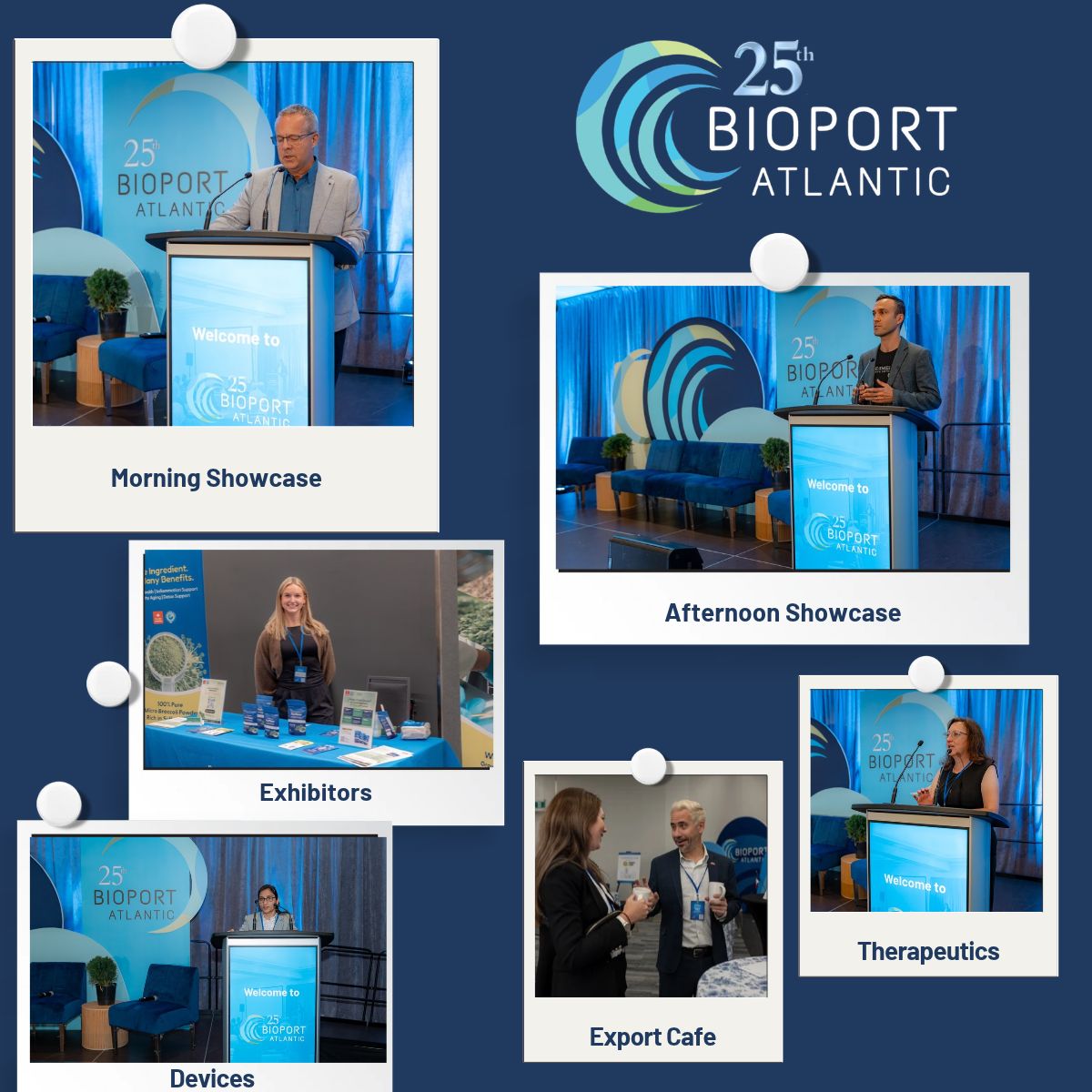
Members at BioPort Atlantic 2026
October 2026
Our Members Take Centre Stage at BioPort Atlantic
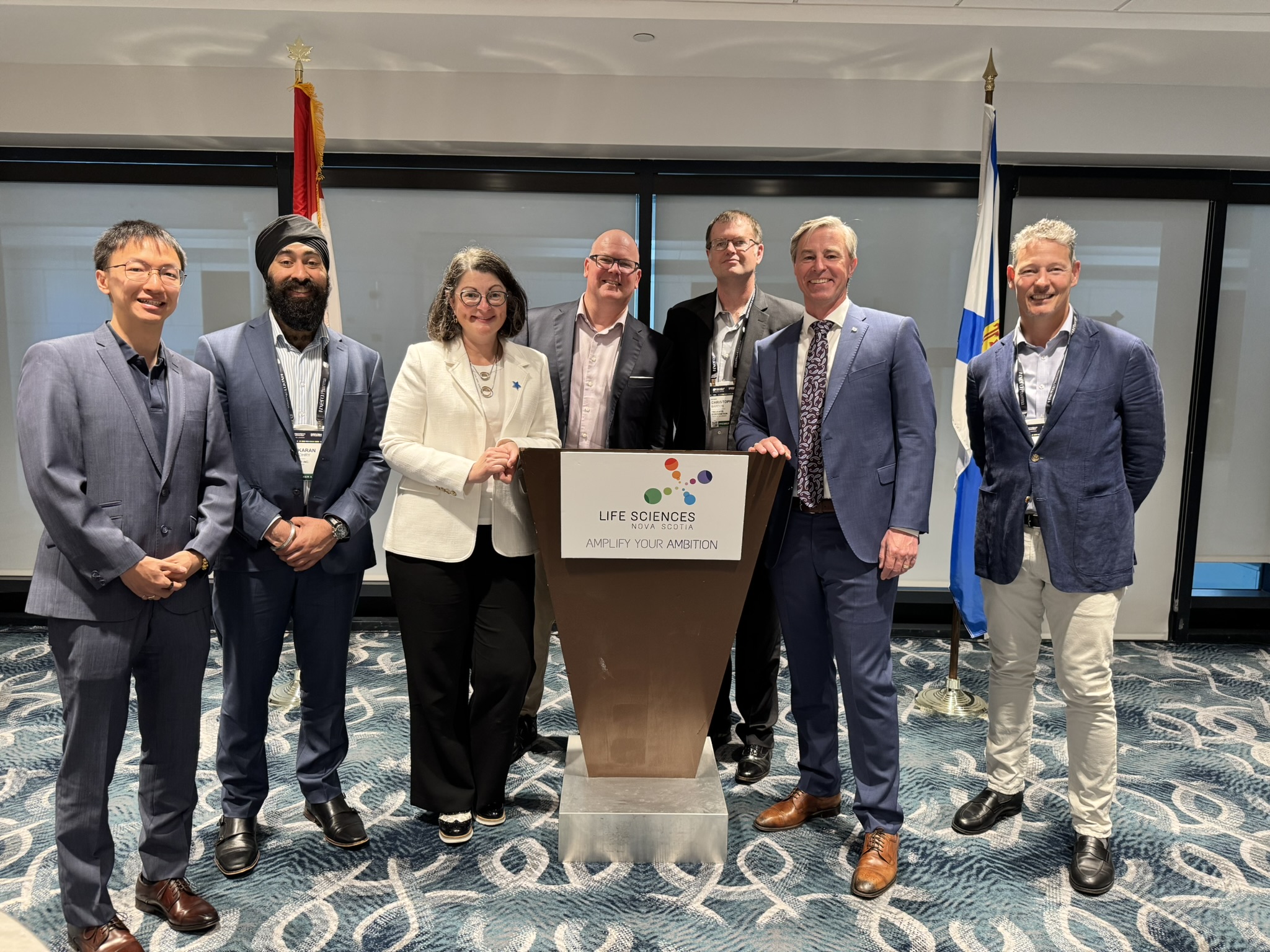
Members at BIO 2026
July 2026
Nova Scotian Companies Build Global Connections at BIO 2026
ResolveHD
June 2026
Building Trust in AI: How ResolveHD is Enabling Better Decisions in High‑Stakes Environments

DeNova
May 2026
Sustainable Protein, Grown at Home: DeNova’s Innovative Approach
Yew Healthy Aging Nutraceuticals
April 2026
Helping People Age Well: Yew Healthy Aging Nutraceuticals’ Purpose-Driven Approach

Elle MD Biotechnologies
March 2026
Reimagining Contraception: How Elle MD is Innovatively Creating a Hormone‑Free Alternative

Bend Beauty
February 2026
Beauty From Within: Bend Beauty’s Innovative Approach to Skincare

Drumlin Plasma
December 2025
From a Single Donation to Global Impact: The Drumlin Plasma Story
Ryan
November 2025
Unlocking Innovation: How Ryan's Nova Scotia Team Champions Life Sciences Growth Through Tax Credits
IR Scientific
May 2025
IR Scientific: How a Halifax Company is Changing the Future of Oral Care

Ring Rescue
April 2025
Stuck Rings, solved: Ring Rescue Defines a New Standard in Emergency Care for a Common Global Problem
DeCell Technologies
February 2025
Healing Wounds, Changing Lives: The DeCell Technologies Story